Meet the Tera and Sarah
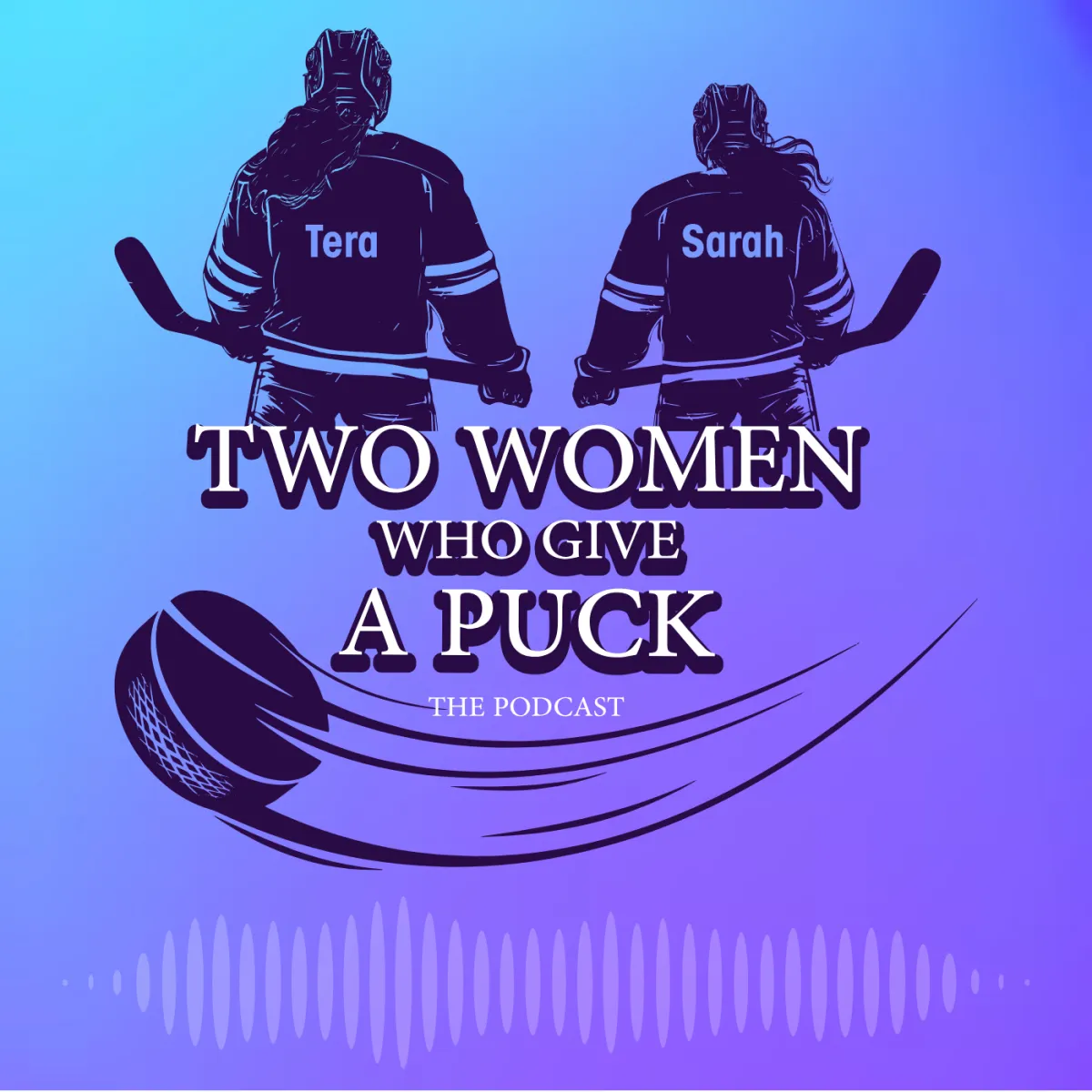
Tera "Tall" Kane
Tera’s hockey journey began in Minnesota, where growing up across from a rink sparked her love for the sport. She started organized hockey in kindergarten, often as the only girl on her teams. This early experience shaped her awareness of inclusion, as she faced challenges like changing outside locker rooms and missing out on team bonding. At age 12, she joined girls’ hockey, noticing differences in intensity and expectations compared to boys’ teams. Tera went on to play high school hockey and two years at UW‑Superior before stepping away to pursue other opportunities. After a long break, she returned to the game when her children became involved, beginning her coaching career at the mini‑mite level.
As a coach, Tera often found herself the only woman on staff, navigating skepticism from parents, referees, and fellow coaches. Yet she discovered that players related differently to female coaches, often sharing personal stories and emotions. Encouraged by supportive colleagues, she embraced her role as a mentor and advocate for inclusivity. Hockey taught Tera confidence and resilience in male‑dominated spaces, fueling her commitment to making the sport welcoming and fun. Her legacy goal is clear: to be remembered as someone who made hockey inclusive, joyful, and empowering for all.
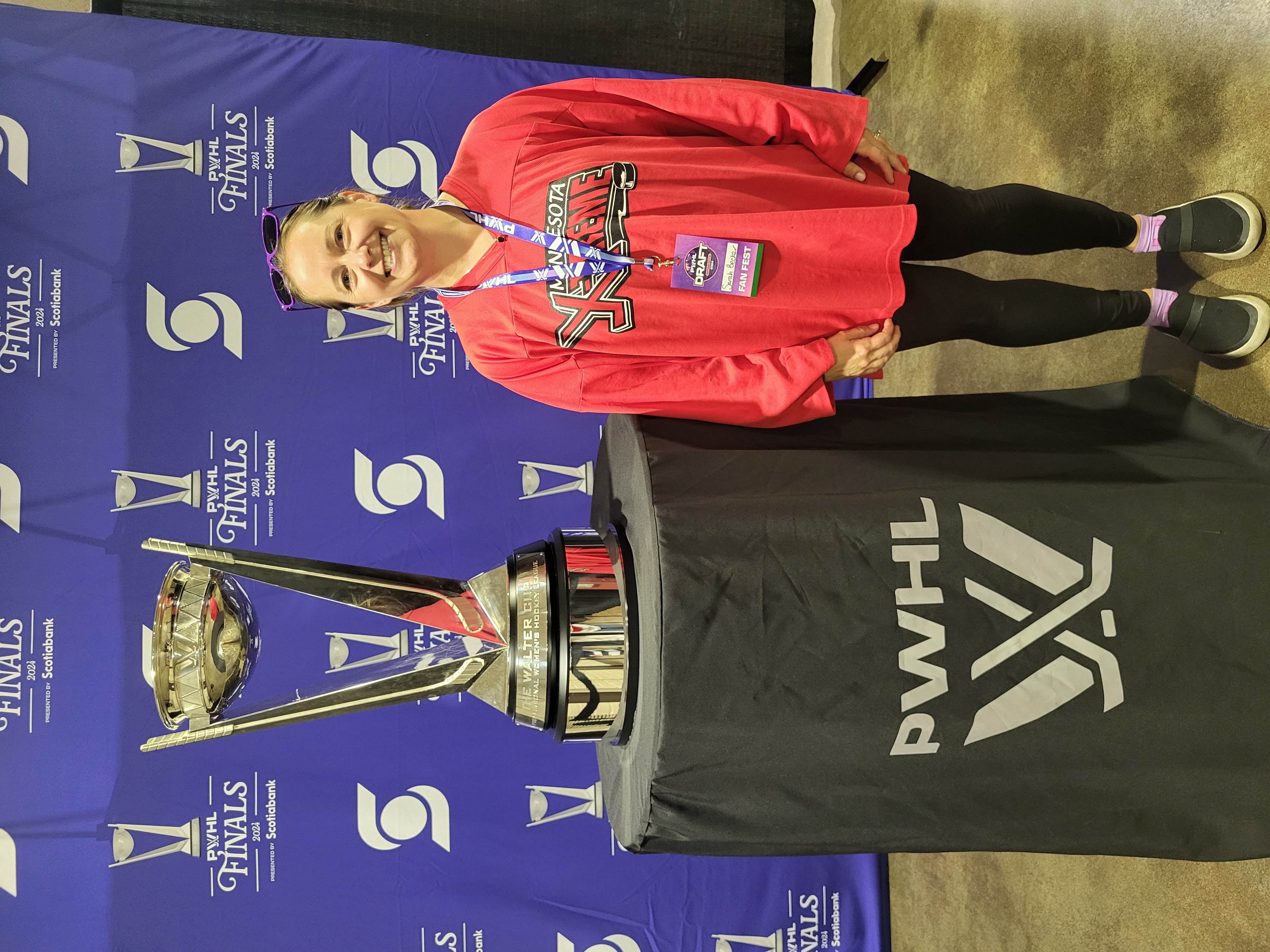
Sarah "Short" Becker
Sarah’s hockey journey began on a frozen lake in Minnesota, where she first skated in figure skates before switching to hockey skates at age 12. She quickly fell in love with the sport, joining one of the few all‑girls teams in her association. Sarah went on to play high school hockey and later college hockey at the College of Saint Benedict in MN, balancing athletics with academics and even studying abroad during her college years. After graduation, she continued playing in the Women’s Hockey Association of Minnesota (WHAM), though she often wrestled with self‑doubt despite her strong skating skills.
Her coaching career began after having children, initially hesitant but stepping in when asked. Sarah faced insecurity and skepticism as a female coach, particularly when moving into more competitive levels. She observed inequities in how girls were coached compared to boys, with lower expectations reinforcing stereotypes. Over time, she recognized the importance of representation and the unique strengths female coaches bring—combining empathy with high standards.
Through five years of coaching, Sarah grew more confident, learning to quiet her inner critic and embrace her role as a leader. Her legacy goal is to challenge the status quo, promote balance and fun, and inspire families to create inclusive, empowering hockey environments for girls and boys alike.
Copyright © 2025, Two Women Who Give a Puck. All Rights Reserved.